





by Dr Riccardo Di Cuffa Thyme GP
We live in an age that worships speed. Fitness trackers count our steps, apps optimise our sleep, and wellness culture promises transformation in ‘30 days or less’. Yet despite all this striving, many of us have never felt more depleted. Slow wellness asks a radical question: what if the cure for burnout is not another optimised routine, but a fundamental shift in the pace at which we tend to ourselves?
Slow wellness is a philosophy rooted in the idea that genuine health - physical, mental, and emotional - cannot be rushed. Borrowing from the broader slow movement that gave us slow food and slow travel, it applies that same ethos of depth and intentionality to the way we look after ourselves. Rather than extracting maximum output from our bodies, slow wellness invites us to cultivate nourishment, rest, and awareness at a truly human pace.
Presence Over Performance
The cornerstone of slow wellness is attention. It is the difference between eating lunch at your desk while scrolling through emails and sitting quietly with a meal, noticing its warmth and texture. It is the difference between a frantic run driven by calorie anxiety and a gentle walk taken simply because your body craves movement. One treats the body as a machine; the other honours it as a living thing deserving of care.
This shift has real physiological consequences. Chronic stress keeps cortisol elevated, disrupts sleep, impairs digestion, and drives inflammation. Slow wellness, by contrast, creates conditions for the parasympathetic nervous system to do its quiet work: repairing tissue, consolidating memory, and restoring energy. Rest, it turns out, is not passive - it is one of the most productive things we can do.
Health is not a destination to be reached but a relationship to be tended – gently, consistently, and with great patience.
Simple Rituals, Lasting Benefits
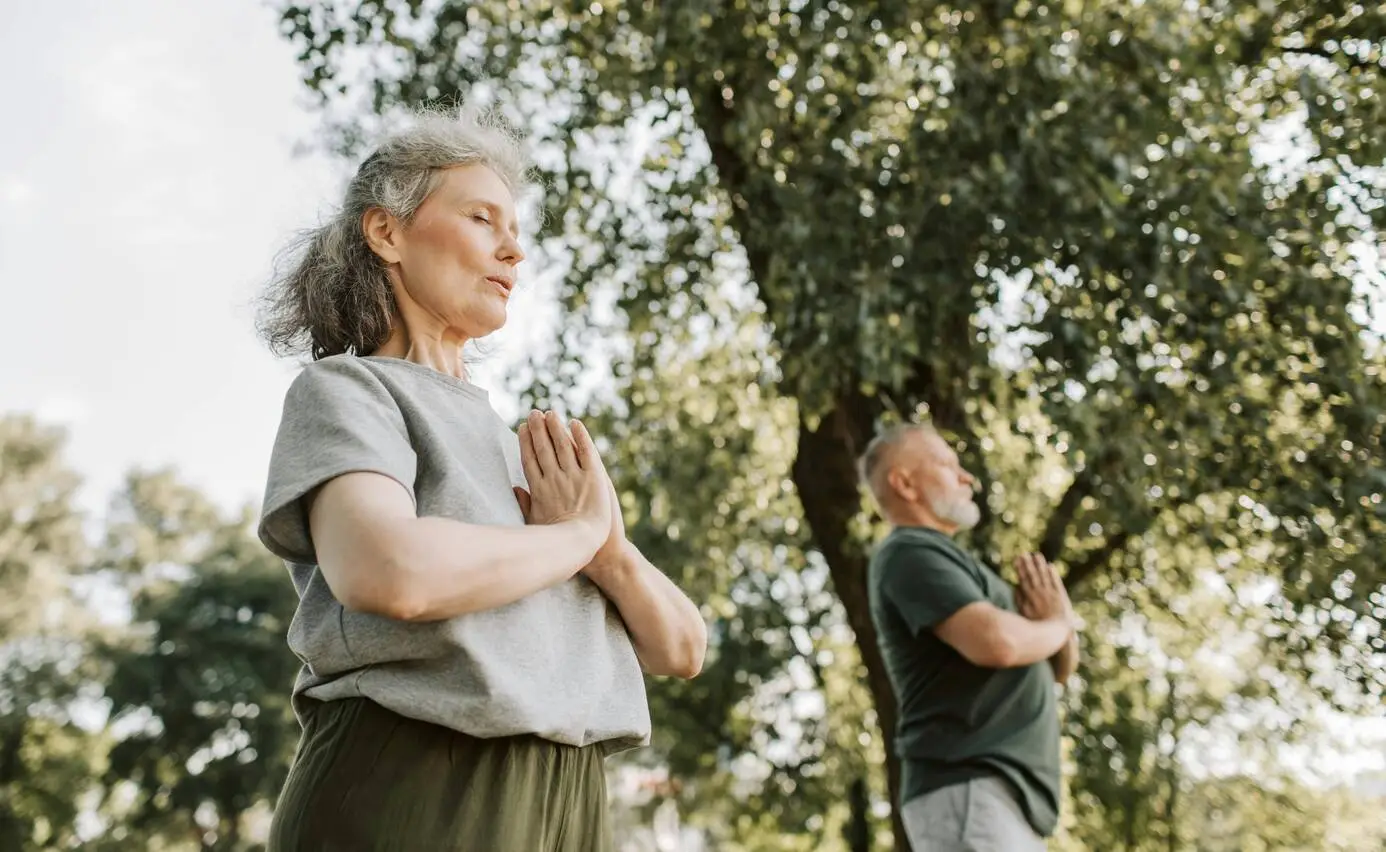
Slow wellness lives in small, consistent acts of attentiveness: a morning stretch without an app directing you; cooking a meal from scratch as a sensory pleasure rather than a health obligation; a proper lunch break taken outdoors, away from screens. Breathwork is one of its most accessible tools - simply extending the exhale activates the vagus nerve and shifts the body toward calm within minutes, no equipment needed.
Nature, too, is a powerful ally. Even brief exposure to green spaces lowers cortisol, reduces blood pressure, and lifts mood. Walking without headphones, sitting beneath trees, tending a windowsill herb pot - these are not trivial indulgences. They are the quiet substance of a sustainable health practice.
Perhaps the deepest gift of slow wellness is permission to redefine what healthy actually means - shifting the measure from performance and appearance toward resilience, ease, and everyday joy. We are not abandoning ambition; we are recognising that body and mind thrive not under relentless pressure, but under consistent, tender attention. Learning to be well, quietly and imperfectly, right now.