













benefits of fibre rich foods
The tired “New Year, New Me” mantra is finally losing its shine, and we couldn’t be happier. January no longer needs to mean restriction, deprivation or punishing routines. At Champneys, we know that lasting wellbeing isn’t built on extremes, but on consistency: the small, supportive habits that quietly create long-term results.
In the nutrition world, however, one word has dominated shelves and social feeds in recent years: protein. Protein powders, protein waters, protein snacks, protein everything. And while protein absolutely has its place, 2026 marks a noticeable shift in expert nutrition thinking. Away from obsession and intensity, and towards what truly supports calm digestion, steady energy and long-term metabolic health.

This new chapter in nutrition isn’t about doing more or trying harder.
It’s about choosing approaches that feel lighter, calmer and easier to sustain.
Enter: Low-Lift Nutrition, with fibre at the forefront.
Low-lift nutrition is about maximum benefit for minimal effort. It focuses on small, repeatable actions that support the body without restriction, overwhelm or perfectionism. Nutrition that fits into real life, especially busy, demanding lives and delivers results quietly and consistently.
And fibre? Fibre is the ultimate low-lift tool.
Fibre: The Most Underrated Super-Nutrient
Despite decades of research, most adults in the UK still only consume around 18g of fibre per day, well below the recommended 30g. That shortfall matters.
Fibre does far more than “keep you regular”. It actively supports:
- Gut microbiome diversity
- Blood sugar balance
- Cholesterol regulation
- Appetite control
- Mood and cognitive clarity
- Inflammation and metabolic health
Large population studies show higher fibre intakes are associated with up to a 30% lower risk of cardiovascular disease, type 2 diabetes and digestive disorders. This is why experts are now reframing fibre as functional medicine, not just a dietary add-on.
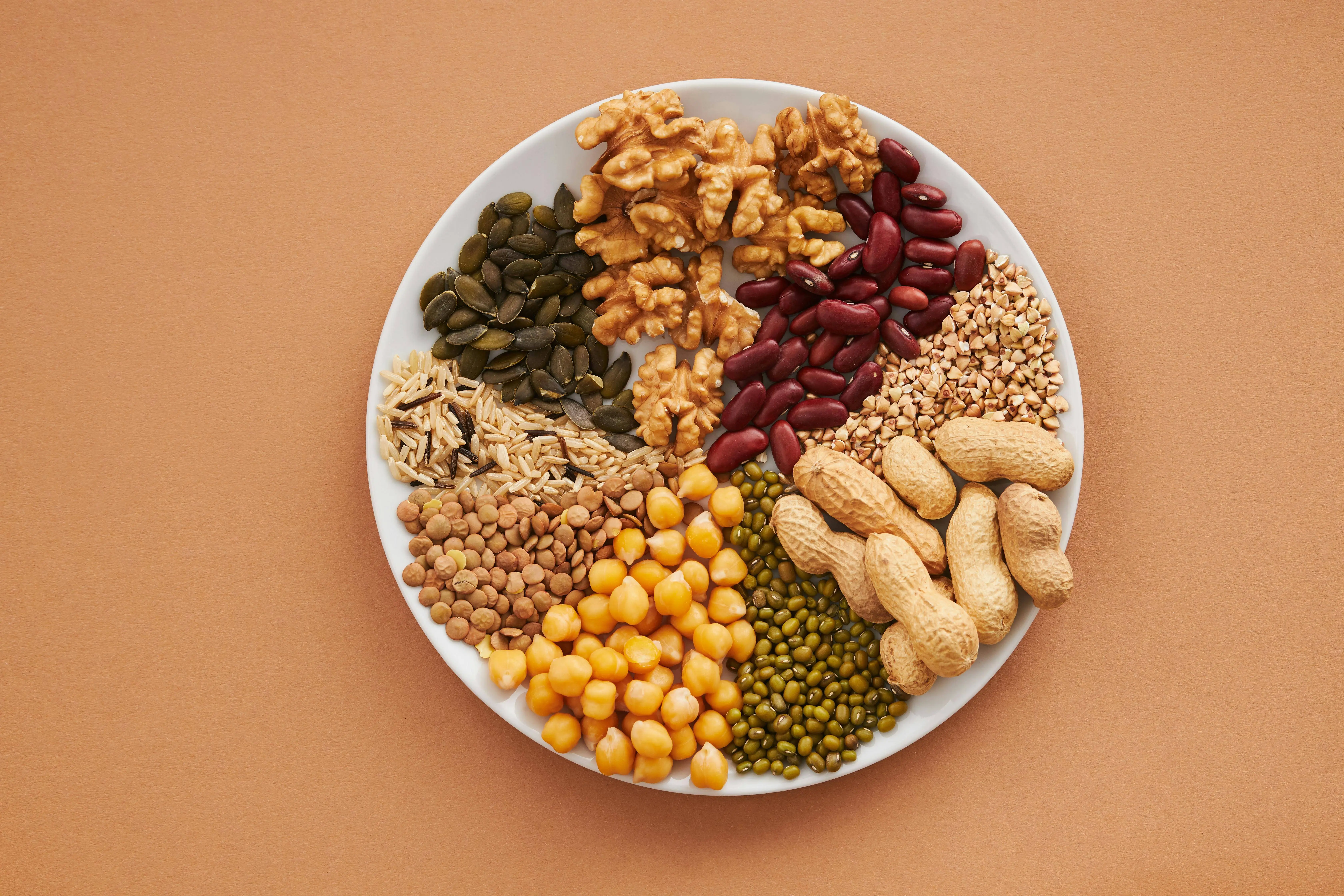
Gut Calm → Mind Calm → Metabolic Balance
One of fibre’s most powerful roles lies in its effect on the gut–brain axis. Certain fibres feed beneficial gut bacteria, which produce compounds that help calm gut inflammation, support the nervous system and influence mood-regulating neurotransmitters.
In real-life terms, this often means:
- Less bloating and digestive discomfort
- More stable energy
- Fewer cravings
- Improved mental clarity
All without counting calories or cutting food groups.
Why fibre fits the Low-Lift lifestyle
Unlike rigid nutrition plans, fibre works quietly in the background. You don’t need perfect meals, strict rules or expensive products, just more plants, more variety and more consistency.
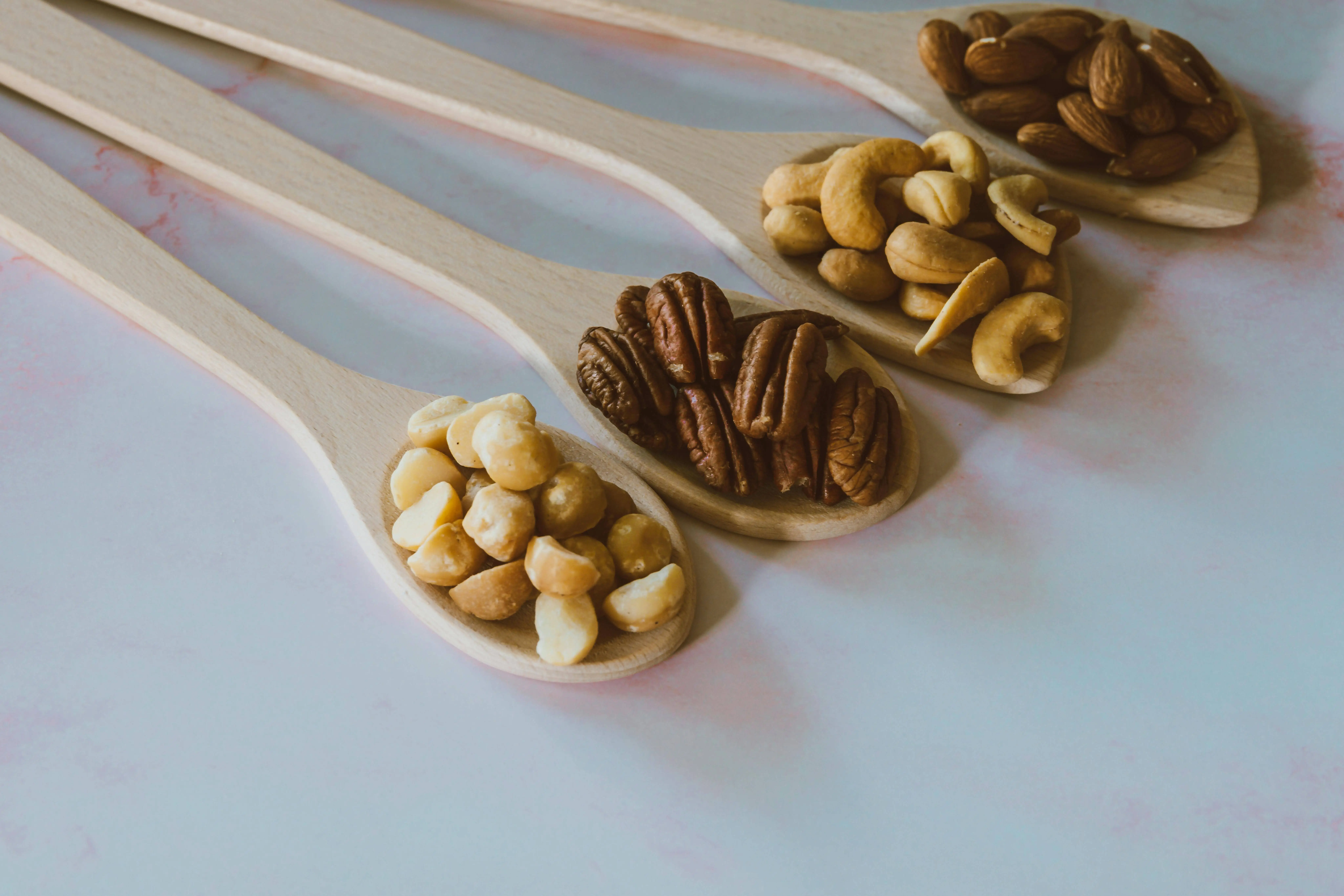
Low-lift ways to boost fibre:
- Add one extra vegetable to lunch and dinner
- Choose whole grains most of the time (oats, rye, barley)
- Include beans or lentils a few times per week
- Snack on fruit, nuts or seeds instead of ultra-processed options
- Aim for colour and diversity, not perfection
Even increasing fibre by 5–10g per day (= 1 heaped tbsp. psyllium husk) can significantly improve digestion and blood sugar balance.
Read more on boosting gut health and achieving 30 Plant Points weekly, the Champneys way here.
Moving Beyond Protein-Centric Thinking
Protein still matters; especially for muscle, strength and recovery as many of us focus on with our wellness journey at Champneys. But, fibre provides the metabolic foundation that allows protein to do its job properly. Without fibre, high-protein diets can actually worsen digestion and blood sugar swings.
The future of nutrition isn’t protein vs fibre. It’s protein supported by fibre-rich, gut-friendly eating.
Sometimes the most powerful changes are also the simplest, and fibre may be the calmest, smartest upgrade you make to your health this year.